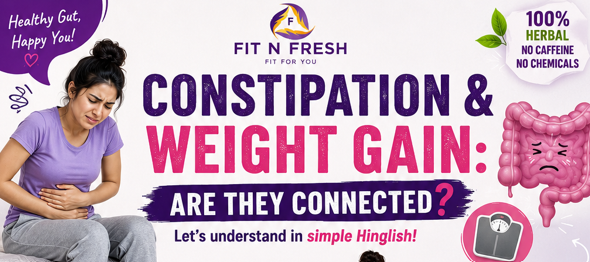
Why Your Gut Could Be the Real Reason You're Not Losing Weight
You've tried calorie counting.
You've skipped desserts.
You've spent hours in the gym.
But the weighing scale refuses to move.
What if the problem isn't your willpower...
What if the problem starts in your gut?
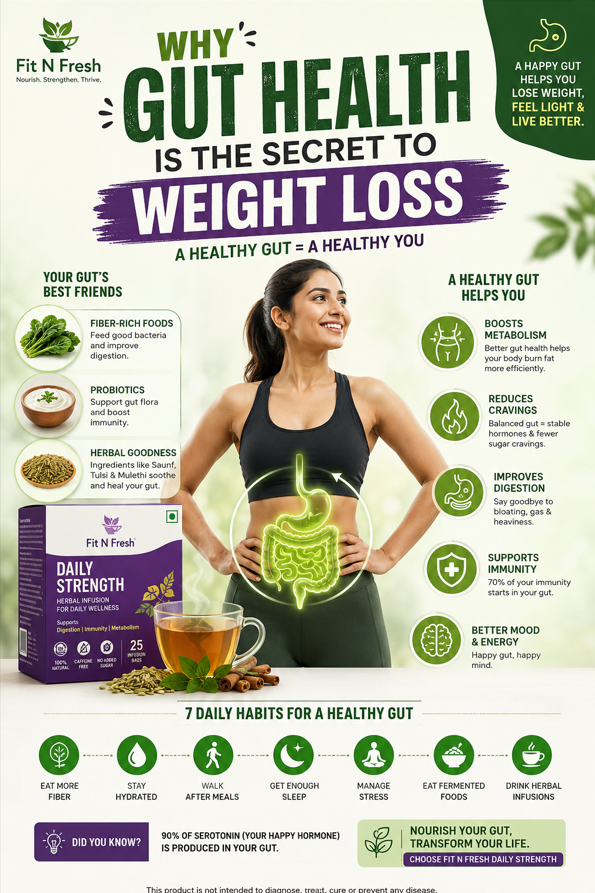
Modern research shows that your gut does much more than digest food. It influences your metabolism, hunger hormones, immunity, mood, and even how efficiently your body burns fat.
If your gut isn't healthy, losing weight becomes much harder—even if you're eating less.
Let's understand why.
What Is Gut Health?
Your gut contains trillions of bacteria, known as the gut microbiome.
Not all bacteria are harmful.
In fact, many are essential for:
- Digesting food
- Absorbing nutrients
- Supporting immunity
- Reducing inflammation
- Producing vitamins
- Maintaining a healthy metabolism
A healthy gut has a balanced mix of beneficial bacteria.
When that balance is disrupted, digestion and overall health can suffer.
Signs Your Gut May Need Attention
If you experience several of these symptoms regularly, it may be worth discussing them with a healthcare professional:
✅ Frequent bloating
✅ Gas after meals
✅ Constipation
✅ Irregular bowel movements
✅ Low energy
✅ Sugar cravings
✅ Difficulty losing weight
✅ Feeling hungry soon after eating
These symptoms can have many causes, but gut health is one factor that may contribute.
How Poor Gut Health Can Affect Weight Loss
1. Increased Cravings
An imbalanced gut may influence hunger hormones, making you crave sugary and processed foods more often.
The more cravings you have...
The harder it becomes to stay consistent with healthy eating.
2. Slower Digestion
Poor digestion can leave you feeling heavy, bloated, and uncomfortable.
A healthy digestive system helps your body process food more efficiently.
3. Increased Inflammation
Long-term inflammation has been associated with obesity and metabolic health.
Supporting overall gut health may help reduce inflammation as part of a healthy lifestyle.
4. Reduced Nutrient Absorption
Even a nutritious diet won't provide maximum benefit if nutrients aren't absorbed effectively.
Healthy digestion supports better nutrient utilization.
5. Mood and Emotional Eating
Did you know?
Around 90% of the body's serotonin is produced in the gut.
Because of this gut-brain connection, digestive health may also influence mood and eating behaviors.
7 Daily Habits for Better Gut Health
🥗 Eat More Fiber
Include:
- Fruits
- Vegetables
- Whole grains
- Oats
- Seeds
- Legumes
Fiber feeds beneficial gut bacteria.
💧 Stay Hydrated
Water supports healthy digestion and bowel movements.
Aim for adequate hydration throughout the day.
🚶 Walk After Meals
A 10–20 minute walk after eating can support digestion and help regulate blood sugar.
😴 Prioritize Sleep
Poor sleep may affect the balance of gut bacteria and appetite regulation.
Aim for 7–9 hours of quality sleep each night.
🧘 Manage Stress
Chronic stress can influence digestive function.
Try:
- Meditation
- Yoga
- Deep breathing
- Walking outdoors
🥣 Eat Fermented Foods
Foods like curd, buttermilk, and fermented vegetables can support a healthy gut microbiome for many people.
🌿 Include Herbal Infusions
Warm herbal infusions can be a soothing addition to a balanced diet and may support healthy digestion, especially when replacing sugary beverages.
Foods That Support Gut Health
Choose foods such as:
🥬 Green leafy vegetables
🍎 Apples
🍌 Bananas
🥣 Oats
🫘 Lentils
🥛 Curd
🌰 Flaxseeds
🥜 Almonds
🌿 Fennel (Saunf)
🌱 Tulsi
These foods provide fiber and plant compounds that support digestive wellness.
Common Mistakes That Can Affect Gut Health
❌ Eating too much processed food
❌ Drinking sugary beverages daily
❌ Not eating enough fiber
❌ Sleeping less than 6 hours
❌ High stress with little recovery
❌ Skipping meals regularly
Where Fit N Fresh Fits Into Your Routine
A healthy lifestyle is built on consistent habits—not a single product.
As part of a balanced routine, Fit N Fresh Daily Strength can be enjoyed as a daily herbal infusion alongside:
- A fiber-rich diet
- Regular physical activity
- Adequate hydration
- Good sleep
- Stress management
Together, these habits can support digestive wellness and overall health.
Final Thoughts
Your gut is more than just your digestive system—it's closely connected to your overall well-being.
If you're constantly feeling bloated, battling cravings, or struggling to lose weight despite your efforts, improving your gut health may be one helpful step.
Small daily habits, practiced consistently, often lead to the biggest long-term results.