
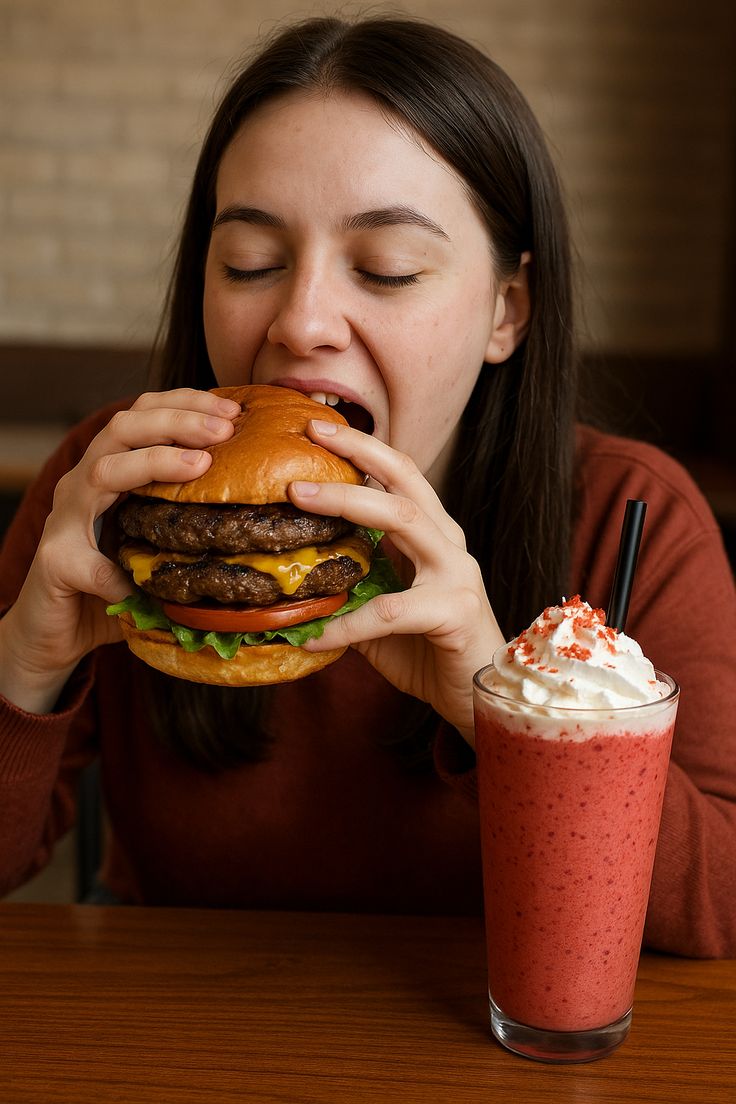
Constantly Craving Junk Food? Your Body May Be Trying to Tell You Something.
You finish a meal, yet an hour later you're reaching for cookies, chips, or something sweet. Sound familiar?
Food cravings are one of the biggest challenges people face when trying to lose weight or maintain a healthy lifestyle. But cravings aren't simply a lack of willpower. They are influenced by biology, hormones, stress, sleep, and even your daily habits.
The good news? You can manage cravings naturally—without extreme dieting or completely eliminating your favorite foods.
Let's explore what science says about controlling cravings effectively.
What Are Food Cravings?
Food cravings are intense desires for specific foods, often high in sugar, fat, or salt.
Unlike normal hunger, which develops gradually and can be satisfied with many foods, cravings are:
- Sudden
- Specific (like chocolate or chips)
- Often linked to emotions or habits
Understanding the cause of cravings is the first step toward controlling them.
1. Eat More Protein Throughout the Day
Protein is one of the most powerful nutrients for reducing hunger and controlling cravings.
Why It Works:
Protein influences hormones that regulate appetite, helping you feel fuller for longer.
Research shows that higher protein intake can reduce hunger, late-night snacking, and overall calorie consumption.
Include Protein Sources Like:
- Eggs
- Chicken breast
- Greek yogurt
- Paneer
- Fish
- Lentils
- Tofu
Aim For:
Including a source of protein at every meal.
2. Don't Skip Meals
Skipping meals may seem like a shortcut to weight loss, but it often backfires.
Long gaps between meals can cause blood sugar fluctuations, increasing cravings for high-calorie foods.
Fact:
People who maintain regular eating patterns tend to experience better appetite control.
Tip:
Eat balanced meals every 3–5 hours if it suits your lifestyle.
3. Prioritize Quality Sleep
Lack of sleep affects hormones involved in hunger regulation.
When you don't sleep enough:
- Ghrelin (the hunger hormone) increases
- Leptin (the fullness hormone) decreases
This combination can significantly increase cravings, especially for sugary and high-fat foods.
Research Suggests:
Adults should aim for 7–9 hours of quality sleep each night.
4. Stay Properly Hydrated
Sometimes what feels like hunger is actually thirst.
Mild dehydration may contribute to increased appetite and unnecessary snacking.
Easy Strategy:
Drink a glass of water and wait 15–20 minutes before reaching for a snack.
Daily Hydration Goal:
- Women: 2–3 liters
- Men: 3–4 liters
5. Manage Stress Levels
Stress triggers the release of cortisol, a hormone associated with increased appetite and emotional eating.
Many people crave comfort foods during stressful periods because these foods temporarily activate the brain's reward pathways.
Stress Management Strategies:
- Walking
- Deep breathing exercises
- Meditation
- Yoga
- Herbal infusions
- Spending time outdoors
Managing stress can significantly reduce emotional cravings.
6. Increase Your Fiber Intake
Fiber slows digestion and helps you feel fuller for longer.
High-Fiber Foods Include:
- Vegetables
- Fruits
- Oats
- Chia seeds
- Beans and lentils
- Whole grains
Fact:
Studies consistently show that higher fiber intake is linked to better appetite control and reduced calorie intake.
7. Avoid Keeping Trigger Foods Within Easy Reach
Environment matters more than willpower.
If highly processed snacks are constantly visible, you're more likely to eat them.
Practical Tips:
- Store healthier snacks at eye level.
- Buy single-serving treats instead of large packages.
- Keep fruits and nuts easily accessible.
Small environmental changes can have a big impact.
8. Practice Mindful Eating
Many cravings occur because we eat while distracted.
Eating in front of the TV, laptop, or phone may lead to overeating without realizing it.
Try This:
- Eat slowly.
- Chew thoroughly.
- Pay attention to hunger and fullness cues.
- Remove distractions during meals.
Mindful eating helps improve satisfaction and reduces unnecessary snacking.
9. Allow Yourself Flexibility
Completely restricting favorite foods often makes cravings stronger.
The "all-or-nothing" approach can lead to cycles of restriction followed by overeating.
A Better Approach:
Follow the 80/20 rule:
- 80% nutritious whole foods
- 20% room for occasional treats
Balance supports long-term success.
10. Herbal Infusions Can Support Healthy Habits
Replacing sugary beverages with herbal infusions can help reduce excess calorie intake while promoting hydration.
A warm herbal drink may also:
- Encourage mindful breaks
- Support hydration goals
- Help create positive daily routines
Remember, herbal infusions are not magic solutions, but they can complement a healthy lifestyle.
Signs That Cravings May Need Extra Attention
Occasional cravings are normal.
However, consider speaking with a healthcare professional if you experience:
- Frequent binge eating episodes
- Intense cravings affecting daily life
- Persistent fatigue
- Sudden changes in appetite
Sometimes underlying factors such as stress, poor sleep, or nutrient deficiencies may contribute.
Remember:
You don't have to fight cravings.
You simply need the right strategies to manage them.
Small choices repeated consistently lead to powerful results.