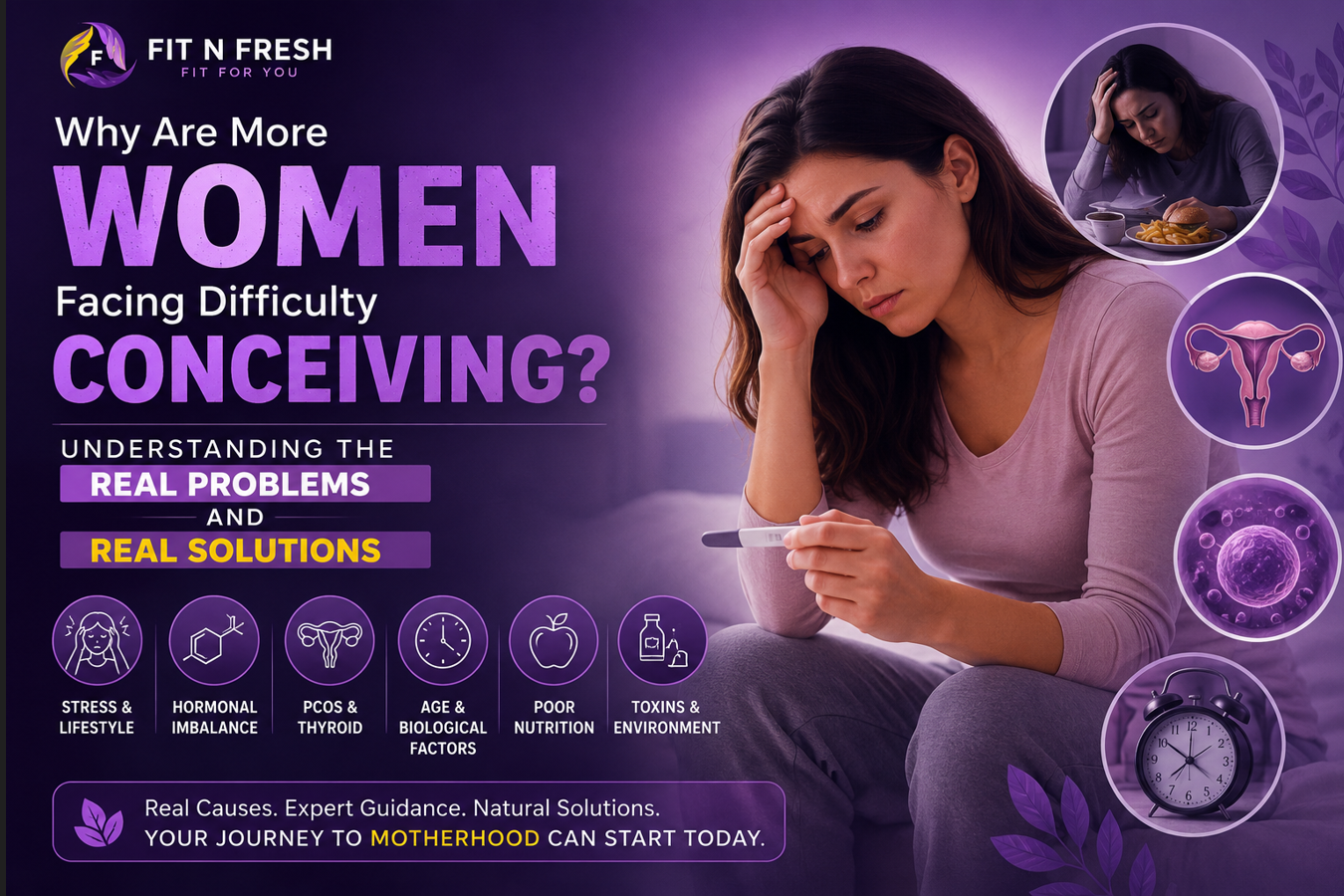
In recent years, more women have reported difficulties in conceiving naturally. While infertility can be emotionally challenging, understanding the underlying causes is the first step toward finding effective solutions. The good news is that many fertility-related issues can be managed with the right medical guidance, nutrition, and lifestyle modifications.
Understanding Fertility Challenges in Women
Difficulty conceiving is not always due to a single factor. Female fertility is influenced by hormones, lifestyle habits, age, nutrition, and overall reproductive health. Identifying the root cause can significantly improve the chances of achieving a healthy pregnancy.
Common Reasons Why Women Struggle to Conceive
1. Polycystic Ovary Syndrome (PCOS/PCOD)
PCOS is one of the leading causes of infertility in women. It affects hormone levels and often results in irregular ovulation or absence of ovulation.
Common symptoms include:
- Irregular menstrual cycles
- Weight gain or difficulty losing weight
- Acne and excessive facial hair growth
- Insulin resistance
2. Hormonal Imbalances
Thyroid disorders, elevated prolactin levels, and other hormonal disturbances can interfere with normal ovulation and menstrual regularity.
3. Age-Related Fertility Decline
A woman's fertility naturally decreases with age, particularly after 35 years. Egg quality and quantity gradually decline, making conception more difficult.
4. Endometriosis
Endometriosis occurs when tissue similar to the uterine lining grows outside the uterus, potentially affecting fertility by causing inflammation and structural changes in the reproductive organs.
5. Excess Weight or Underweight Status
Maintaining a healthy body weight is crucial for reproductive health. Both obesity and being underweight can disrupt hormonal balance and ovulation.
6. Nutritional Deficiencies
Deficiencies in essential nutrients such as vitamin D, iron, folate, omega-3 fatty acids, and antioxidants may negatively impact fertility and reproductive function.
7. Chronic Stress and Poor Lifestyle Habits
Long-term stress, lack of sleep, smoking, excessive alcohol consumption, and sedentary lifestyles can affect hormone regulation and fertility outcomes.
Real Solutions to Improve Fertility Naturally
While every individual requires personalized care, these evidence-based strategies may support reproductive health:
Focus on Balanced Nutrition
A fertility-supportive diet should include:
- High-quality proteins
- Whole grains and fiber-rich foods
- Healthy fats from nuts, seeds, and fish
- Plenty of fruits and vegetables
- Adequate hydration
Reducing highly processed foods and excess sugar intake may also help improve metabolic health, particularly in women with PCOS.
Maintain a Healthy Weight
Even a modest weight reduction of 5–10% in overweight women with PCOS has been associated with improved ovulation and fertility outcomes.
Engage in Regular Physical Activity
Moderate exercise helps improve insulin sensitivity, supports hormonal balance, and promotes overall well-being. Aim for at least 150 minutes of moderate-intensity activity per week.
Prioritize Stress Management
Chronic stress may indirectly affect reproductive health. Incorporating relaxation techniques such as yoga, meditation, deep breathing exercises, and adequate sleep can support overall wellness.
Seek Professional Guidance Early
If you have irregular periods, known reproductive conditions, or have been trying to conceive without success, consult a healthcare professional for a comprehensive evaluation.
General recommendations include:
- Women under 35 years: Seek help after 12 months of trying to conceive.
- Women 35 years and older: Seek help after 6 months of trying.
The Importance of Personalized Nutrition Support
Every fertility journey is unique. Individualized nutrition counseling and lifestyle guidance can help address underlying factors such as insulin resistance, weight management, and nutritional deficiencies that may influence reproductive health.
A sustainable approach focused on long-term health rather than quick fixes often leads to better outcomes and improved overall well-being.
Final Thoughts
Facing difficulties in conceiving can feel overwhelming, but many causes of infertility are manageable with the right support and intervention. Understanding your body, adopting healthy lifestyle habits, and seeking professional guidance are important steps toward improving reproductive health.
Remember, fertility is influenced by both partners, and early evaluation can help identify the most appropriate path forward.
Your journey may take time, but with knowledge, patience, and the right support, there is hope.